













































This Sitka Alaska Relocation Guide covers housing, jobs, schools, transportation, healthcare, climate, and everyday island life. Located in Southeast Alaska, Sitka combines a working waterfront, Indigenous culture, mountain scenery, and access to the Pacific Ocean.
Sitka City and Borough had an estimated population of 8,319 in 2025. Additionally, the community serves as a regional center for healthcare, fishing, government, education, tourism, and transportation.
Whether you are relocating for work, family, education, or outdoor recreation, this guide explains the essentials.
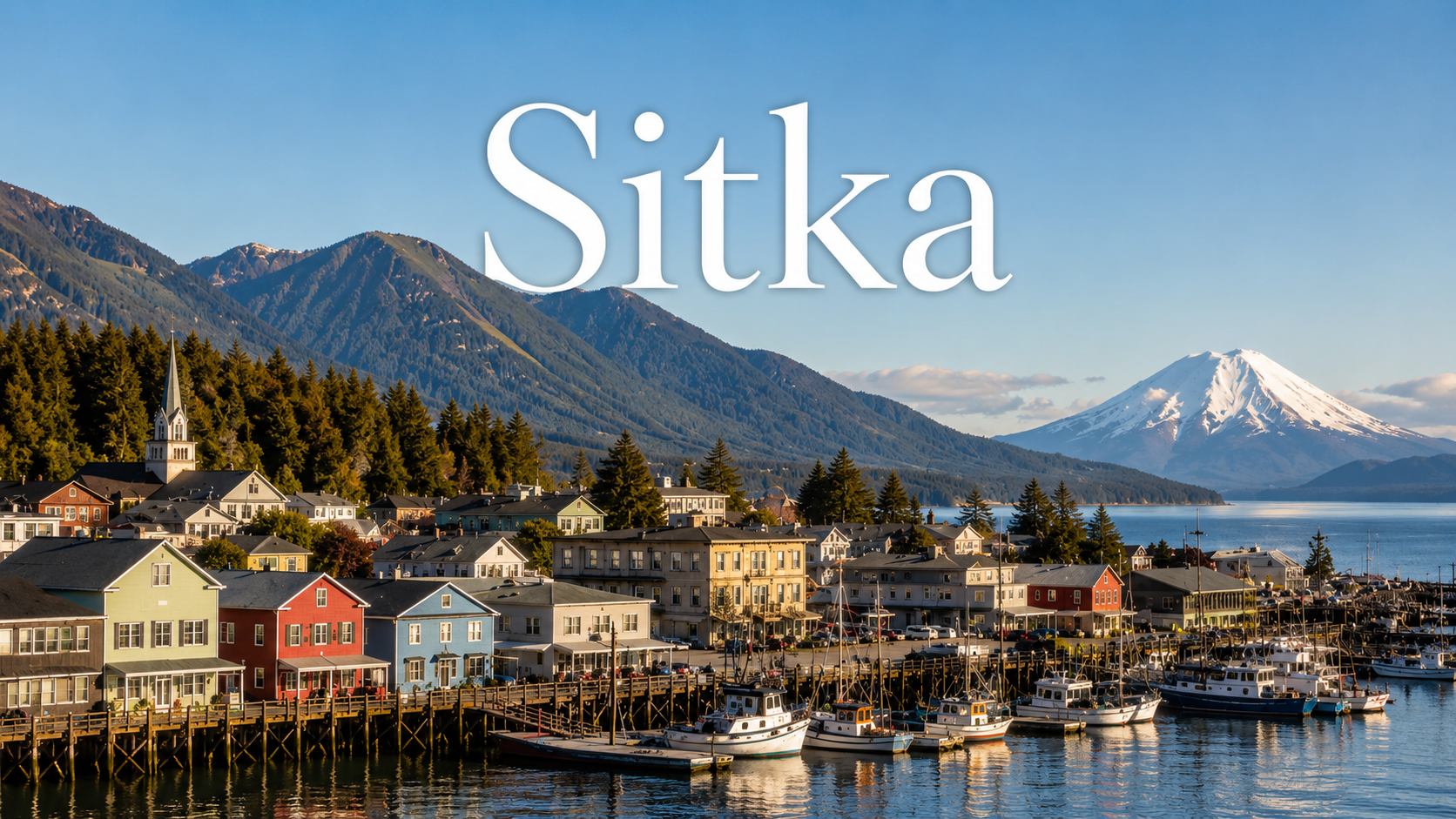
Sitka sits on Baranof Island along the outer coast of Southeast Alaska. The community faces the Pacific Ocean and is surrounded by forested mountains, islands, and coastal waterways.
Unlike many American cities, Sitka is not connected to the continental highway system. Therefore, residents generally arrive by airplane, ferry, or private vessel.
Sitka belongs to Southeast Alaska and the Alaska Panhandle.
Additionally, the community is associated with:
Because of its coastal location, marine travel, fishing, weather, and shipping influence daily life.
Sitka does not have nearby suburbs connected by road.
Instead, regional communities include Juneau, Angoon, Hoonah, Petersburg, Kake, and Ketchikan. Reaching these destinations usually requires air or marine transportation.
Consequently, Sitka residents rely heavily on local stores, healthcare providers, schools, and public services.
Sitka attracts healthcare workers, commercial fishing families, educators, government employees, artists, and outdoor enthusiasts.
Additionally, the community offers ocean access, mountain trails, cultural attractions, and a compact town environment. As a result, residents can enjoy both regional services and immediate access to nature.
However, isolation and shipping costs require careful planning. Newcomers should prepare for fewer retail choices and more expensive travel.
Sitka offers apartments, condominiums, cabins, older homes, and limited new construction.
Housing availability can be tight because usable land is restricted by mountains, water, and public land. Additionally, freight costs can increase prices for groceries, building supplies, furniture, and household goods.
Common expenses include:
Therefore, newcomers should compare local wages with full household costs before relocating.
Sitka housing ranges from downtown apartments to wooded homes along the local road system.
Because buildable land is limited, properties may have smaller lots, steep driveways, water views, or hillside settings. Buyers should also review drainage, retaining walls, roof condition, and moisture protection.
Downtown offers apartments, condominiums, historic buildings, restaurants, stores, government offices, and waterfront access.
Residents can walk to many employers and community services. Additionally, downtown provides convenient access to cultural attractions and the harbor.
However, cruise-ship days can bring heavier pedestrian activity during summer.
Japonski Island sits across the O’Connell Bridge from central Sitka.
The island includes Sitka Rocky Gutierrez Airport, healthcare facilities, educational buildings, and residential properties. Therefore, residents can quickly reach several major local employers.
Halibut Point Road extends northwest from downtown toward the ferry terminal and residential areas.
Homes may include wooded lots, water views, cabins, and larger properties. However, commute times and winter road conditions vary by distance from town.
Sawmill Creek Road leads southeast from downtown toward residential areas, recreation sites, and industrial properties.
This corridor provides access to trailheads and coastal scenery. Additionally, homes farther from downtown may offer more privacy.
Some Sitka properties provide direct waterfront access or views across Sitka Sound.
However, buyers should review shoreline exposure, marine access, storm conditions, corrosion, and insurance requirements. Salt air can also increase exterior maintenance.
Sitka’s economy includes healthcare, commercial fishing, seafood processing, government, education, tourism, construction, and transportation.
Seasonal activity can affect employment levels. Therefore, newcomers should confirm whether a position is permanent, seasonal, or dependent on visitor demand.
Healthcare is one of Sitka’s most important employment sectors.
SEARHC operates Mt. Edgecumbe Medical Center, a 25-bed critical-access hospital offering emergency, inpatient, outpatient, behavioral, dental, primary, and specialty care. Additionally, Sitka functions as a healthcare hub for communities across Southeast Alaska.
Commercial fishing remains central to Sitka’s economy and identity.
Employment may include:
However, fishing income and schedules can vary by season and harvest conditions.
Local, state, federal, tribal, and school organizations provide additional employment.
Sitka also supports jobs in administration, public safety, environmental management, transportation, and cultural programs.
Tourism supports hotels, restaurants, tour companies, museums, transportation providers, and retail businesses.
Summer brings cruise passengers and independent travelers. Consequently, some businesses hire additional seasonal workers during the busiest months.
Sitka School District serves local public school students.
Families should verify registration requirements, transportation options, specialized programs, and school calendars before moving. Housing location may also affect walking or driving arrangements.
Sitka may offer private, homeschool, correspondence, and alternative learning options.
However, program availability can change. Therefore, families should confirm current enrollment and grade-level information directly.
The University of Alaska Southeast operates a Sitka campus.
Programs include distance learning and areas such as nursing, behavioral health, medical assisting, and radiologic technology. Additionally, the campus supports testing, student services, and continuing education.
Sitka offers primary care, emergency treatment, behavioral healthcare, dental services, rehabilitation, and selected specialty care.
SEARHC provides one of Southeast Alaska’s more comprehensive medical hubs. However, certain advanced procedures may require travel to Juneau, Anchorage, Seattle, or another larger medical center.
Air travel and weather can affect medical transportation. Therefore, residents managing complex conditions should discuss travel planning with their providers.
Sitka offers grocery stores, outdoor suppliers, marine businesses, hardware stores, local retailers, and specialty shops.
However, selection remains more limited than in larger cities. Online orders, barges, and air freight often supplement local shopping.
Dining options may include:
Additionally, seasonal visitor demand can affect business hours and availability.
Sitka offers museums, wildlife viewing, trails, boating, fishing, cultural attractions, and waterfront recreation.
The community’s setting supports outdoor activity throughout the year. However, rain, wind, and changing marine conditions should remain part of every plan.
Sitka National Historical Park preserves cultural, natural, and historical resources connected to Tlingit history and Russian colonization.
Walking trails, coastal forest, and cultural interpretation make it one of the community’s most important attractions.
Sitka’s harbors support fishing boats, recreational vessels, charter operators, and marine businesses.
Residents can enjoy boating, kayaking, fishing, and wildlife tours. Still, cold water and rapidly changing weather require proper safety equipment.
Forested mountains and coastal landscapes surround the local road system.
Popular activities include hiking, trail running, berry picking, and wildlife viewing. Additionally, trail access may begin only minutes from residential areas.
Sitka’s cultural identity reflects Tlingit heritage, Russian history, American settlement, and working maritime traditions.
Museums, historic buildings, cultural programs, art, and community events help residents understand this layered history.
Sitka has a compact local road system but no highway connection to the mainland.
Most daily trips involve short drives, walking, cycling, or local transit. However, reaching another community generally requires air or ferry travel.
Sitka Rocky Gutierrez Airport provides scheduled passenger service and regional air connections.
Weather can affect flights, particularly during stormy periods. Therefore, residents should allow extra time for important connections.
The Alaska Marine Highway System connects Sitka with other coastal Alaska communities.
Passengers can transport vehicles, bicycles, and pets under applicable rules. However, schedules vary by season, vessel availability, and route planning.
Sitka offers local public transportation and community transit services.
Still, personal vehicles remain helpful for properties farther from downtown. Walking may be practical for residents living near central employers and stores.
Sitka has a cool maritime climate.
Summers are generally mild, while winters are moderated by the ocean. Rain, clouds, wind, and rapidly changing conditions occur throughout much of the year.
Frequent rainfall affects homes, vehicles, clothing, and outdoor planning.
Therefore, properties need effective roofing, drainage, ventilation, and moisture control. Residents also benefit from waterproof clothing and durable footwear.
Winters are usually milder than those in Interior Alaska.
However, snow, ice, strong winds, and freezing temperatures still occur. Shaded or elevated roads may remain slippery longer.
Summers bring long daylight hours, fishing activity, tourism, and outdoor events.
Temperatures are often comfortable for hiking and boating. However, rain and fog remain possible even during peak summer.
Sitka can be a strong choice for healthcare workers, educators, fishing families, government employees, artists, and outdoor enthusiasts.
The community combines regional services with immediate access to mountains, forests, and the ocean. Additionally, its compact size can support strong community connections.
However, newcomers must prepare for island transportation, limited housing, frequent rain, and higher shipping expenses.
This Sitka Alaska Relocation Guide highlights a Southeast Alaska community shaped by fishing, healthcare, education, Indigenous heritage, and coastal wilderness.
Sitka offers a working harbor, cultural attractions, trails, medical services, and a distinctive island lifestyle. Meanwhile, limited road access and higher costs require practical preparation.
For newcomers comfortable with coastal weather and island living, Sitka offers an experience unlike most American cities.